To understand where I am today, I begin by telling you where I came from. My story always seems to carry a certain amount of discontent; why am I here and not there, what if I had been there, instead of here? Perhaps, this is the human condition or a restlessness that is a peculiar way of life for me. Contentment is easier to come by since retirement but, I think I will always be looking for one more adventure, one more reason to laugh, and one more, just one more dance.
“Therefore we are always confident and know that as long as we are at home in the body we are away from the Lord.” 2 Corinthians 5:6 NIV
I gave the heuchera the same treatment as its fancy cousins in the narrow bed that borders the deck in my back yard but the little lime green beauty didn’t respond. It looked underdeveloped, wimpy and sad. But, before I dug it up and gave it last rites in the compost bin, I decided to give it one last, one last chance. I transplanted it a mere four feet over, next to the aggregate planter that held my pride and joy, Japanese maple.
Next to the planter it was cooler, shadier, and protected. Essentially, I put the ailing heuchera in the plant hospital and waited. It still received the same care as its more robust cousins but, surprisingly, as the weeks passed through the summer its leaves crisped up, like lovely summer lettuce. It filled out into a dense mound and began to thrive. There was no explanation, nothing concrete to point to, but the heuchera became the show-off of the flowerbed.
I’ll call her she, because she began to express her true, authentic personality, glowing with good health and vitality. In her new space she found her comfort zone, the place she had always belonged, but I, her gardener and tender of her life, hadn’t realized it.
I have so many times felt like that heuchera, that I was in the wrong spot in the garden. In my case, the transplant was not to the ideal spot for sun, water, and shelter, but a rocky place, where the wind blew too hard and the sun burned. My transplants were uncomfortable, not always fulfilling to my spirit.
Some transplants were out of my control and some were my own poor judgment, because I turned a deaf ear to the whisperings of the Holy Spirit.
Some transplants caused me to grow stronger in order to keep my roots and maintain my balance. Like a scrubby pine growing in the cleft of a rock, I bore down, leaned into the wind, and toughened my bark.
And, some transplants just left me longing for softer soil, warmer winds, and thirsting for a cool drink of water. A sandy beach would be nice. I knew where I wanted to be but, like the little heuchera, was unable to transplant myself.
I look to the Master Gardener to change my circumstances but instead, His sovereign plan, mysterious and wondrous, nurtures me where I am as I strive to express my true, authentic personality, to glow with spiritual health and vitality. I yearn for my comfort zone but wonder if I was created to find such a place this side of heaven.
“Who plants a seed beneath the sod and waits to see believes in God.”
I don’t know who wrote that but it has become my prayer; seeds the currency in God’s economy of creation. With wonder and amazement, I plant tiny treasures, each with its own special DNA and God’s spark of life that determines what it will become.
Shortly after we were married, Steve took me out to the glass and cedar building on the northwest corner of the property to introduce me to the 12’ X 16’ greenhouse, designed and built by his own hands more than 20 years ago. Long forgotten, it had become the repository for broken and unused things, miscellaneous and mismatched lawn furniture, random tools, and a village of mice. Beyond the greenhouse a garden plot, also gone dormant and covered with a tarp.
I knew nothing about a greenhouse, how it functioned, what use it could be to me. I backed away from the stranger and relegated it to the other outbuildings that stored lawn mowers, garbage cans, and rusty car parts, giving the mice free reign. The only gardening I would be doing involved flower pots and landscaped beds. I had given up on vegetables years ago.
There had been a small garden space in our Bothell home. Vegetable gardening was a happy little activity to share with my kids when they were growing up. With varied success, I planted single crop veggies: one year only corn. That was abundant, yielding succulent ears, enough to freeze for winter. I gave up on carrots when the grubs took over and strawberries hollowed out by slugs. One year I planted only pumpkins which delivered a mountain of the orange orbs, enough for all the neighbor kids to have one for Halloween. There was a huge rhubarb plant at one end of the garden that no one wanted to eat and, despite our violent attempts, could not be killed. The kids grew up, life drifted into other directions, and gardening was forgotten.
The first summer after Steve and I were married was my first real interaction with the greenhouse. I cautiously approached it, first to clean out the debris and then to fuss over a couple of tomato plants. They like heat, right? The glass house temps sweltered and the tomatoes obliged and I came to love home-grown basil. I attempted a large pot of lettuce but as soon as its first tender leaves popped up something ate it off at the ground. Do mice eat lettuce?
Something happened in those early days of the greenhouse: we began to make friends. I realized the benefits of sheltering tender green things out of the elements. I remembered the peacefulness of watching plants grow and produce, the satisfaction of bringing the juicy red fruit in to slice for dinner. Maybe I could grow more veggies in containers, a small clustered garden within. But I needed to know more.
Coinciding with my renewed interest in growing vegetables was the looming threat of broken supply chains and food shortages. I collected seed packets but came to realize if there is a sudden paucity of food one doesn’t just decide to throw some seeds on the ground and expect to eat anytime soon. I needed to educate myself.
Did you know you can find out how to do anything on YouTube? YouTube is the Amazon of information and I shopped at will with no damage to my credit card.
Videos of home gardeners, master gardeners, and homesteaders opened a whole new world of gardening to me. My vocabulary began to expand to include terms like no-till, wicking beds, companion planting, succession planting and vertical growing. I needed to catch up quick and was going to need stuff to do it; I was going to need Amazon after all.
The more I learned the grander my plans became. My original plan of container gardening in the greenhouse expanded to raised beds; two giant ones in the greenhouse, plus three more outside in the garden plot. The outside beds arrived in boxes of corrugated panels, each one requiring 96 nuts and bolts. God bless him, through the rainy winter months Steve laboriously assembled them. A 16’ X 8’ cattle panel arced between two of the beds to create a trellis for vining squash, tomatoes and melons to climb. Half barrels would soon fill with potatoes and corn.
We converted the three-foot tall beds into wicking beds. The bottom six inches held a reservoir of water, topped by layers of rock, sand, peat moss, compost and soil, each layer designed to draw the water up to the surface, creating a self-watering environment. If it worked, the beds would sustain their garden for at least a week, probably longer, without needing to be watered . Their height should protect my sprouts from rabbits and slugs, while our boxer keeps the deer on their side of the fence.
Amazon delivered things daily through the winter months and quickly caught my gardening bug, suggesting things I needed, tracking me on Facebook, Instagram and even my email.
Meantime, I became over-ambitious and impatient on another front. Seedlings! In late January, way too early, I began planting seeds indoors, ordering heat mats, thermostats, special planting medium and grow lights.
“Who plants a seed beneath the sod and waits to see believes in God.”
Lo and behold, the tiny seeds germinated. Before I knew it, I had a large crop of plants outgrowing their pots and the upstairs bay window, and we were months away from our last frost date.
Steve loves tomatoes and eats them like candy, popping a juicy little cherry tomato in his mouth before his first cup of morning coffee, so I plant literally dozens, along with lettuces, herbs, zinnias, nasturtiums, and marigolds (to deter bugs), and stuff that had no business growing indoors, creating a jungle as I obsessively checked the night-time temps.
Amazon said, “Ooo, oooo, look! WE need this!” A thermometer and humidity gauge for the greenhouse that sinked with an app on my iPad. In the dark of night from my cozy bed I could check the conditions and when the time was just right, I began moving my adolescent garden from our house to the greenhouse.
Steve restored the thermostatically controlled ventilation system that exhausts heat out high in the 14’ peak of the ceiling. Cool air replaced it from automated vents low on the opposite wall, helping to maintain as near to 80 degrees as possible.
That should have been enough but succession planting says to start more, to keep a steady supply of seedlings going to mature at different rates. Consequently, the greenhouse began to overflow like a little shop of horrors. Plants began to mature in the jungle, inhaling and exhaling great quantities of humid, fecund air. When it rained outside the windows inside fogged and ran with moisture. If I entered into the midst of this rainforest my glasses fogged up, too. The greenhouse was no longer a cold and neglected shed but a living, breathing organism, restored and filled with life. But I needed to get plants outside and soon.
Then YouTube introduced me to frost cloths, shade cloths, and bug cloths. Frost cloths allowed me to plant outside early. My precious pets could shiver in the cold and still be spared a killing frost. Tented within, the Beefsteak and Gold Nugget tomatoes brooded in the cold but the cool-loving Cherokee red lettuce thrived and grew robust. Yellow onions, Little Finger carrots and French breakfast radishes merely sunk deeper into the moist soil. Sugar snap peas and bush beans too could not have cared less. It was a revelation to me that I could outsmart nature and actually grow vegetables outside.
The days have grown softer and when the sun warms the raised gardens, I lift the frost cloth to allow the spring air to breathe in fresh life. The bees have found the blooms and buzz happily, spreading pollen. Outside the greenhouse door in huge planters are cabbages and brussels sprouts growing to prehistoric sizes. Inside, plants and seedlings rotate from incubation to all grown up and out into the big world. Planters on the deck flourish with six different varieties of succulent strawberries.
I have customized the greenhouse, creating my own she-shed, my happy place. The squatter mice have been evicted. A framed print next to the bronze garden clock mirrors my prayer to me. Two miniature rose bushes in white and lavender remind me of my grandmothers and a white iron pedestal birdbath adds a touch of old-world charm. My tools and supplies assist me as I putter, prune, water, transplant and fuss over the plants I had a hand in bringing to life. I daily walk through both indoor and outdoor gardens, checking, admiring, watching and waiting. My summer successes are yet to be fully realized but I have found deep joy and satisfaction in the journey.
Special thanks to my dear husband Steve, “Thank you, honey. I could not possibly have done it without you.”
For nineteen months the dream of a Mediterranean cruise shimmered on the horizon, ebbing and flowing with the waves of Covid. We put down the deposit but the reality seemed far away, remote. These days it’s never a good idea to plan too far into the future; all could change in a day’s time.
But last spring the dream took hold and Steve and I committed to make it happen: eight nights, Athens to Barcelona on the aptly named Jewel of the Seas. Dizzy with excitement we purchased plane tickets adding two additional days in Athens before the cruise and three days after in Barcelona. We secured reservations at boutique hotels in the heart of the two cities, with tours of the most important sights.
Our cruise included a new port every day for seven days. Eager to see as much as possible, we scheduled excursions for every day. So what if we were overbooked, this is no time for sleep and leisure, we must see it all, soak up the Mediterranean in all its glory.
Throughout a long, hot, smoky summer we waited, planned, tried to think of everything, plan for every contingency, until October finally arrived. Our plane made a wide arc over Canada, Greenland, and Iceland before swooping down into Europe, southward toward the crystalline blue-green Mediterranean Sea.
Sixteen hours later we landed in Athens, both ancient and ultra modern at the same time. The buildings are old, older than our country by a 1000 years. They don’t tear down to build new; they remodel and renovate constantly, turning archaic spaces into sleek, hip venues for the super cool to be seen.
The cab driver unexpectedly slammed on the breaks in front of iron bars set into a blackened brick wall and announced that we had arrived at our hotel, Belle Epoque. My heart sank as I surveyed the surrounding worn stone walls covered in graffiti. But then the iron doors opened, welcoming us into a tiny lobby barely wider than the doors, wrapped in marble and glass, the model of elegance and efficiency. Our room on the second floor was equally luxurious, using every inch of space in the spirit of good taste. Ten-foot French doors opened to the narrow street below packed with shops, bakeries and baristas in defiance of the graffiti.
We planned with intention for everything to be within walking distance of our hotel. Day one was for exploration before our tour of the Acropolis so we began walking up and down the busy little byways, mere alleys. Each business, barely wider than a typical garage door, was filled with shops, restaurants, coffee bars and pastry shops, the later on nearly every corner. Chocolate croissants and lattes became our daily staples. We ate our way through streets dotted with ancient ruins.
The Acropolis reigns high above the center of the city, the birthplace of democracy, homage to countless lesser gods, and imprinted with the footsteps of the Apostle Paul’s ministry to the Gentiles. Our guide filled our heads with information as we walked among the towering columns soaring overhead. All accounts, all events and dates radiated from One Event, the birth of Christ. Throughout all that we would see on our travels, the birth of Christ was the focal point from which all other events would orbit, like planets around the Sun.
“For passing through and beholding your objects of worship, I even found an altar on which had been inscribed: To an Unknown God. Therefore whom you worship not knowing, Him I proclaim to you.” Apostle Paul, Acts 17:23
Acropolis
Sunday, the day before boarding the ship, we hustled to the Parliament Building where the Tomb of the Unknown Soldier stood silently in the square before. Two Greek soldiers keep watch night and day. Their uniforms appear more like costumes, foppish, with short, billowing pleated skirts and clogs with pom-pomed toes but they carry themselves with such dignity and grace, it is impossible not to admire them. After a slow, solemn change of guard, military parade music begins to swell and a full band makes its way down the street and onto the square. Those guards just relieved of duty join the procession and the parade resumes in reverse. Such honor and devotion to the Unknown Soldier is performed every Sunday.
Tomb of the Unknown Soldier in Athens
Our afternoon is free to stroll around town, basking in the warm sun. We are surprised by fenced off areas on every block to protect Grecian ruins of yesterday, woven into life today. Marble paves the city streets, sidewalks, even the curbs are slabs of the cool, gray stone.
Greek Orthodox churches opened their doors to reveal gilded sacred spaces paying tribute to Christ, Mary, and a multitude of saints, all portrayed in classic icons. Without knowing, this would begin our journey through many churches that allowed moments of quiet reflection and prayer. We ended our time in Athens at a sunny street side café with refreshing Greek salad, shaved lamb wrapped in warm pita bread and tangy tzatziki sauce.
On day four we board the ship, now anticlimactic to the wonders of Athens. We find our stateroom, unpack and settle in. This will become our home base, a place to rest and recharge, to prepare for our next adventure through Greece, Italy, France and Spain. Each morning we awake to find a new world before us, each night we wave goodbye from our veranda, watching the sun set over deep blue waters and sunwashed cities perched on stone cliffs.
Our first port of call is the village of Oia on the Island of Santorini. A bus hauls us up a steep rugged road, the surroundings barren and dry, not at all what we expected the Mediterranean coast to look like. There is little vegetation but patches of cactus flourish. At the top of the island, clinging to craggy cliffs is the village of Oia, stunning whitewashed buildings, the occasional brilliant blue rooftop, pots overflowing with vibrant flowers, the stuff of calendars and travel brochures, vacation getaway for the rich and famous.
The village is one continuous maze of small shops and apartments connected by pathways and steep stairways, and from every angle is breathtaking views of the expansive bay below, a sunken caldera in the Aegean Sea from a long-ago volcano.
We walk through the narrow paths through high-end shops filled with designer purses and shoes, glittering diamonds and precious stones. A beautiful young woman models a flowing red dress for a camera shoot in the town square. I’m convinced Brad Pitt must be hiding in plain sight but I never find him.
We are given a sneak peek into luxury homes with small emerald pools set in gleaming white. While others from our group shop we find the perfect spot for lunch, sharing the view of the elite. Once again, we relish Greek salad and warm lamb. For this moment in time we are living the life of the privileged.
When it’s time to go back to the ship we do not go the way we came. Instead, we take a short breathtaking route down the mountain in a gondola. It was the kind of day that makes you glad to be alive.
Oia on Santorini
The following day we arrive in Katakolon, Greece to see the original site of the first Olympic Games. How exciting is that? Turns out not so much.
Up to this point, I have been snapping pictures continuously with my trusty iPhone. It’s camera sees beyond the limitations of my eyes and gives fabulous results. But this excursion leaves me uninspired and I don’t take a single picture. I felt cheated, robbed.
The Olympic “village” turned out to be a vast grassy area with a few columns and a lot of tumbled down stones. We are told to imagine what it was like. Imagine a training arena here. Imagine a massive statue of Zeus in the center who presides over the events and is worshipped. Imagine over two hundred statues of prominent citizens set on pedestals scattered throughout the grounds. Imagine it all. I imagine myself sitting by the pool onboard ship. The excursion culminates in a bus ride through the touristy part of town where we are set free to buy trinkets, support the local economy. Moving on…
Our third port of call becomes our favorite: Taormina on the Island of Sicily, our gateway to Italy. Another long bus ride through the ordinary finally climbs into rarified air to the storybook town. Elaborate buildings rise above us on all sides, balconies overflowing with tailing vines and flowers, ornate arches circle overhead. The narrow streets only allow for foot traffic that take us by more high end shops, kitchen shops, bakeries and outdoor cafés. And then, there is the always present, magnificent ocean view that makes the Mediterranean so irresistible. After a quick survey we settle into a sidewalk café to people-watch over bruschetta and spaghetti carbonara. I do love to eat and this does not disappoint.
As we eat we begin to make plans to return. What route would we fly to get here? Let’s rent an AirBnb for 2-3 weeks, live like the residents, be temporary expats. I will shop for olives, oils and spices to cook the local fare. We’ll visit the ancient amphitheater and gardens we didn’t have time to see the first time, rent a car and drive the Sicilian coast. It’s a grand dream but I’ve learned to dream big and sometimes dreams do come true.
Taormina on Sicily
The churches are now Roman Catholic in the traditional layout of the crucifix. Light floods into these spaces from stained glass windows, there is less gilt.
Day five, we awaken to the Amalfi Coast, Salerno, Italy. I am loving Italy and today is a big day as we prepare to meet Pompeii. We’ve heard about the legend of Pompeii since grade school, about the sudden destruction from the eruption of Mt. Vesuvius, of time frozen in place for the citizens.
Our guide is a scrappy little Italian named Antonio who knows his stuff. We’re surprised to learn that the guides on our excursions have Masters degrees in art, history, or both. They are founts of knowledge, talking for hours with perpetual enthusiasm. Antonio walks us through paved streets of the ghost town, once situated in a thriving trade route.
Merchant shops intermingle with the homes of well-to-do patrons. One shop has large clay pots sunken into marble counter tops: fast food in 79 AD. Next to it is a refined home with ornate mosaic floors, a central courtyard with bubbling fountain and frescoed walls of red and gold. A wealthy businesswoman ran an inn, complete with baths and private gardens. The bakery wrapped around a corner and still contained a large stone bread oven.
Elegant home in Pompeii
These people were prosperous, lived a refined life until Vesuvius roared and rained down tons of hot, toxic ash, burying the beautiful little city in a matter of hours. They were poisoned by gas and suffocated by ash.
A new city has built up around the ruins of Pompeii even as excavation continues. Vesuvius is predicted to display its power in the next 7-10 years, yet life goes on as usual.
Day six we arrive in Ajaccio, Corsica. It is a casual day with a casual, ho-hum tour of the birthplace of Napoleon. Though he is their claim to fame, there is no love lost in Ajaccio for the mighty little tyrant. His name and statues are everywhere. Our guide shrugs and sighs, “What can we do?” The only thing of interest to me was blocks and blocks of cemetery. During the Black Plague the Church refused to bury the victims in the church cemetery so the folks built their own “mini churches.” Row upon row of tiny stone mausoleums, like a miniature city, takes up the city center, each one unique and ornate. Artificial flowers pay colorful homage to the family interred and there are hundreds. Let’s go see what’s for dinner on the ship.
His Greatness, Napoleon, presiding over Ajaccio
Day seven finds us still in France and we are in for a glorious day: a tour of Monaco and Monte Carlo. We’re advised to dress up, no slouches allowed.
As our bus enters Monaco we learn that only authorized vehicles are allowed entrance to the city. I immediately notice how clean and ultra modern everything is. Nothing is out of date, nothing worn or tired looking. New construction is everywhere, leaving nothing in need of care. We whiz through the business district then begin the climb to the historic city.
Monaco is a Princedom, ruled by Prince Albert and his home is within the inner sanctum of the historic area. As with all the desirable cities along the French Rivera, there is a magnificent view framing fairy tale buildings housing shops, restaurants, and the lucky few that live there. All surround a stunning square paved in marble, along with government buildings and Prince Albert’s castle. His flag flies high and is protected by guards. Outer gardens and tree-lined paths soften a row of understated mansions belonging to the rest of the royal family. Princess Caroline received one of them for her 21st birthday. What did you get for your 21st? Security guards make sure we stay on the path until it is time for us to move on to the real moneymaker.
Prince Albert’s palace in Monaco
Monte Carlo must be the most famous casino in the world. Our bus climbs even higher than the Prince’s castle to the pinnacle of Monaco’s economy. Wealth oozes out of the grandeur. Outside the famously recognizable Casino Royal is a row of Lamborghinis and Ferraris, also guarded by security. When one hapless tourist dares lean on one of the cars for a selfie, the guards freak out and shoo us all back. Away! Don’t touch the cars! Soon the owners float out of the casino, ignoring the obvious crowd of underlings, and cruise away to their glamorous dwellings. We can go into the casino for a fee, no pictures allowed; we choose to look on in awe. Next to the casino is Hotel Paris. I am sure I could not afford a night’s stay in one of those luxury suites. Designer shops, gorgeous gardens and fountains encircle these giants.
Monte Carlo
Monaco is the smallest country in the world, next to the Vatican, yet it lives in opulent wealth, relying on tourism and it’s lavish casino. The Prince and his wealthy benefactors have constructed a near perfect lifestyle unavailable to the rest of the world. Though a sovereign nation, but too small for an army of it’s own, it relies on France for protection in time of need.
As our bus descends our guide points out the location of the car accident that killed Princess Grace as her car careened around the twisting switchbacks of the rock called Monaco.
At our last port of call, Provence in Toulon, France, we are scheduled to tour an ancient castle but the night before Steve wakes me up. “I have a sore throat, I don’t feel good.” I had packed an emergency bag of OTC meds, including Covid testing kits. I dose him with Tylenol, then test him for Covid. The first test is negative so I try a different brand with the same results. Though relieved, I’m still anxious that we might both get sick with still four days to go in our travels.
We skip the tour of the castle, stay in our room, and I ferry food to him while we wait to see how bad he’s going to get. So far, I feel fine.
On day nine we awaken in Barcelona, Spain and disembark first thing in the morning. A cab takes us to Yurbban Ramblas, cool and snazzy just like our Athens digs. In the heart of the hotel is possibly the oldest elevator in existence, a fancy rod iron cage that holds two people or one with luggage. I take the marble stairs to the second floor and meet Steve with our luggage.
Steve is feeling moderately ok so he dons a face mask and we hit the Las Ramblas just outside our door.
Las Ramblas is the most fun street you will ever encounter; over a mile long to the coast and intended for pedestrian traffic, it allows for one lane of car traffic on each side. Down the broad center brick promenade the width of 3 normal lanes of traffic, crowds of people walk and shop, eat and drink. It is a place for people, not cars. Later we will learn that the foot traffic goes on night and day. Barcelona never sleeps. We do what we always do first, find a street café and order latte, tea and chocolate croissant in the warm Spanish sun.
Las Ramblas nightlife
We stroll around old historic streets off of the Las Ramblas, me snapping scores of pictures for a while, until Steve needs a rest. He has begun coughing so we must take it slow.
We pass that first day taking it slow; rest a while, explore a while.
On our second day we explore the side streets off of Las Ramblas, sometimes finding quaint little burgs and Gothic churches. Steve’s cough has gotten worse; we slow our pace. In the afternoon we make our way to The Block of Discord. Three architects have designed three buildings, each a different style, and together, they form one building in a strange and bizarre mind-bending dream. There I am introduced to Antoni Gaudi.
Gaudi was most creative in the early 1900’s and he abhored straight lines. His building resembles melting wax: curved corners, heavy drooping balconies, and ornate rod iron railings in fantastical swirls and vines. Think Salvador Dali. His building is sandwiched between Classical Greek and Gothic. Tomorrow we will see more of Gaudi’s creations at Park Guell and Sagrada Familia.
Block of Discord
That evening we dine at an outdoor tapas café in a small enclave off of Las Ramblas while a street musician plays classical guitar. We have little meatballs in tiny cast iron skillets, roasted potatoes and crusty bread with tomatoes, leaving room for gelato. The streets, cafés and bars are packed with nightlife. Barcelona never sleeps.
Steve had a rough night of coughing. We test him a third time for Covid. Still negative. As his coughing increases, so does my anxiety, the urgency to get him back to the US.
Come morning we make the tough decision that I will go on the tour alone and he will stay in our hotel room to rest. It is the second time Steve has tried to see Sagrada Familia; each time he is prevented.
I join the tour group at Park Guell not sure what to expect. Gaudi purchased 40 sectors of land to build his dream park, a community for the wealthy to live within and enjoy nature. He envisioned 40 homes; only 3 were built. It seems the wealthy were less interested in nature, more interested in the bustle of high society life and the adoration of the common folk. By then he had built miles of stone paths with small conversation areas, fountains, a massive columned open market, and mosaic walls, all in the curving, sensuous lines he so adored. I’ve never seen anything like it before but Dr. Seuss comes to mind. From there we go by bus to Gaudi’s greatest creation of all.
Water feature from Park Guell
Begun in 1883, Sagrada Familia is a cathedral of spires: a center spire for Christ, one for Mary, twelve for the Apostles and one for Paul, a massive collection of spikes. Every square inch of the outside is encrusted with stone carving. Scenes from the life of Christ are situated amongst flowers, vines, birds, insects, plants and animals of every species. There is so much to look at the eye is overwhelmed. It is meant to symbolize life, the natural life and the supernatural life of Christ.
Sagrada Familia
Inside the spectator is struck silent, barely able to comprehend the beauty. Massive columns of red Iranian granite, meant to represent trees, rise to support the weight of the cathedral while lesser columns fulfill the forest effect. Every wall dazzles with stained glass. The church sits at an exact north, south, east, west position, designed to capture the light at different times of the day. At sunrise blue, green and lavender glass mimic the dawn. At noon jeweled windows of red and gold glow, casting brilliance onto the column forest. In evening the light turns to deep royal blue and vivid purple. Christ is at the center, the creator of Light.
Gaudi’s vision of light
There is no music playing in the cathedral but the light sings, rising to a glorious crescendo like Handel’s Hallelujah Chorus, worship without words.
Gaudi never lived to see his masterpiece finished, dying in 1926, but he left his designs behind for others. Construction is still underway and the goal for completion is 2030. Each time a section is completed Barcelona has a celebration. What a party it will be when Sagrada Familia is finally complete.
I take 100 pictures, maybe more, to share and replay my day to Steve as much as possible.
We get through our last night in Barcelona and I’m still well.
At 3:30 AM a taxi picks us up for the airport. Our Mediterranean odyssey is over. Small groups of young people walk and talk, smoke and drink, congregate along Las Ramblas. Barcelona never sleeps.
It’s been nearly a year now since I moved into our little valley of a dozen houses scattered over the wooded acres. As I met each of our neighbors the stories trickled out of the old man on the hill.
Jake was the Grinch of the valley, stealing the joy from those around him, the Scrooge who scowled and groused his way through life. Beside him stood the sweet spirited Grace, the long-suffering mate whose light shone in spite of the darkness surrounding her.
The pair had been married for nearly 65 years, an interminably long time to bear up under the weight of the world Jake had created for them, and yet, she stayed.
I had heard the stories of conflicts and insults dished out upon Jake’s neighbors before I ever met him so, when the day came, I naturally felt some trepidation. I had also recently heard that both Jake and Grace were terminally ill so I expected a frail couple, broken, softened, resigned to the life they’d been given.
But when Jake answered their door a ramrod straight man, stern, suspicious, and ready to meet any challenge stood before me. Though old and thin, he was up to the fight. Grace was still the sweet, gentle, smiling soul, kind to a fault. I determined to kill him with kindness, silently daring him not to smile. Faint traces, tiny cracks in his stony walls made me inwardly chuckle as we walked away.
A few short months later news traveled around the valley that Jake and Grace were nearing the end of their battle with illness and the lifetime struggle between them. Their only surviving child, a daughter named Sarah, came to see them through it. (Jake and Grace’s two sons had already preceded them in death, leaving Sarah to carry the burden alone.) Hospice was called in to care for them; both, incredibly, were on the same downward trajectory in a race to death, leaving us all to wonder how a husband and wife could be dying at the same time, wondering who would be the first to go.
Collectively the neighborhood delivered meals and prayers, dropping off care and support quietly on the front porch, holding vigil in our homes. Jake died first, leaving Grace praying for a speedy death and release from her worldly cares and pain. She died three days later.
Sarah began preparing a funeral for two, to grieve a double loss.
Though Jake had built several businesses in the 50-odd years of living in the area and seemed to be known by everyone, only a few friends and neighbors, along with the family came to pay their respects.
As we waited for the funeral to begin a slide show at the front of the chapel shown before us on screens. Grace and Jake as newlyweds, Grace and Jake as new parents, times together as the kids grew up, Grace and Jake working side by side in their business, then as retired Grace and Jake with their grandchildren. Occasionally, Jake would smile softly for the camera but often it was only the stoic Jake looking out through subdued eyes. Grace seemed to be a faded, ethereal figure in the background of Jake’s strong personality.
Then Sarah got up to give the eulogy and began with Jake. Jake whose presence had overshadowed his family in life, now overshadowed them in death.
“You never knew what you were going to get with Dad, the grizzly bear or the teddy bear,” she began.
We prepared ourselves for gut-level honesty. She alluded to many years of work to find some level acceptance. Years of living in Atlanta had turned this tiny, impeccably dressed woman into a steel magnolia and filled her voice with gritty determination.
Instead of slogging her way through the trials of life with Dad, she recounted his final days…
Jake and Grace were now confined to their beds in separate areas of the house, Sarah shuttling back and forth to comfort and care for them.
Sitting on her mom’s beside one day she asked the question that had been burning a hole through her heart for most of her life. “Mom, do you love Dad?” Grace only shrugged, “Mmm.”
Then, Sarah went to her father’s room, bolstering her courage once more. “Dad, do you love Mom?”
“Yes,” he replied. “But when I tell her I love her, she remains silent.”
A heart wounded over and over learns to wrap itself in insulating layers, like a butterfly in a cocoon. Soft, silent, noise-blocking layers to cradle and comfort, to gently tend to the wounds and encourage healing.
By now we in the audience are frozen in silence. We stare at the twin coffins, unable to breathe or cry. Sarah remains dry-eyed as she continues…
Surprisingly, Grace, as her name would imply, found the grace to expose her heart one last time, while the time remained, and asked to see Jake, a peace offering.
Sarah wheeled him into her mom’s room, then backed out quietly to let the couple find their words. When they finally called her back in they excitedly shared the plan they had hatched. Could they spend the night together in Grace’s room?
Time was now of the essence as it slipped quickly away. Jake and all his needs for rest were moved into Grace’s room, all his assorted pillows, all the items that reassured him on the nightstand.
When all was ready, Sarah carefully helped him into bed, cradling his head, lifting his legs for him, adjusting his pillows, pulling the covers over him, repeating the process for Grace.
At last she gazed upon her parents before closing the door, gaunt and cancer-ridden, facing each other in the bed, his hand on her hip, her hand on his arm. Rest in peace.
Their rest didn’t make it through the night as Jake’s pain roared back. He died the following day.
I marveled at Sarah’s composure as she recounted this emotionally charged, deeply personal account. The grace of that moment, that offering of peace, brought healing to Sarah in a way nothing before had been able to grant.
As the matching coffins were silently wheeled away, Sarah too, laid down her losses with her grief and finally wept. The war is ended, peace has been declared.
We who witnessed her bravery found renewed energy to love those near to us and tell them often, to sweep away the debris of daily living, making room only for what really matters in this life, and to strive to leave this world with as few regrets as possible.
It is Steve’s birthday and I want to do something special for him. “No gifts,” he says. “I don’t need things.” Since our Wyoming trip we are into experiences.
Years ago I had stayed at the Lake Quinault Lodge on the Peninsula. I remembered the elegant, rambling old lodge, nestled in the Olympic National Forest, on the edge of a clear, blue lake. Manicured lawns, encircled by quaint walkways and charming flowerbeds, flowed down to the water. A dock stretched out beyond, strung with lights for a romantic evening stroll.
The lobby gleamed with polished wood and a massive river-rock fireplace, plush area rugs and deep leather couches. A winding staircase reached up to a balcony above the grand room. It had the feel of an old hunting lodge, frequented by the rich and famous.
The rooms were luxurious, lit by their own fireplaces and a five-star dining room offered gourmet cuisine.
Guests at the Lodge came expecting the royal treatment and dressed for the occasion.
The Lodge seemed like the perfect memorable experience. I made our reservations and was assured we would be able to eat in the dining room. Excitedly, we counted down the days.
Our adventure was to begin with a ferry ride across the Sound to the Peninsula. We would drive through glorious autumn colors for three hours until we reached our destination.
But, the night before we were to leave a storm blew through the area, lightening striking our ferry out of service. Our beautiful fall drive became a trip down the freeway, through Tacoma, and over the windy Tacoma Narrows Bridge. No worries! The sun came out as we entered the Peninsula so we managed to find country roads that meandered to the Lodge.
As we approached the Lodge, the previous gleam evaporated and I realized time and COVID had taken a toll on my idyllic memories.
Months of forced closure caused the fragile old building to decline without constant care. While the lawn was mowed, the walkways and flowerbeds were littered, overgrown, and neglected. The dock had sunk into the water; now just a raft reachable only by canoe.
A skeleton crew struggled to keep the place open. Warning signs instructed us to mask up and keep our distance. The woman who checked us in may have smiled; who knows. We learned that the restaurant was take-out only.
The guests are dressed for hiking, camping, and outdoor sports. A family with young kids struggle up to their room with a large cooler for their meals; indoor camping.
After checking into our room a quick survey found a clean room but the glass surrounding the gas fireplace was so smoked up we could barely see the flames.
In our room we ate a lukewarm salmon dinner and chocolate lava cake from takeout containers. No linen tablecloth, china and silver, no candles and crystal, just a biodegradable container and plastic silverware.
We had packed dressy clothes to wear. Instead, we wore the jeans we had traveled in. Disappointment turned the sparkling evening I had imagined to a dull, faded substitute.
After my dreamed of birthday dinner we had planned to find a place to dance. Since COVID all dancing has been cancelled. Our illustrious Grand Poobah, pain in my backside, Governor Jay Inslee has decreed that there will be no couples’ dancing by anyone over 65 and not living together.
Back home, Steve and I search out wooden floors wherever we can to sneak in a few forbidden dances. Once we danced on the deck of a church near my house when no one was around.
Not to be deterred, Steve suggests, “Let’s dress up anyway and go find someplace to dance.” I feel like Cinderella.
It’s dark now and the lobby is scattered with groups of twos and threes sitting around quietly, masks on. No one is having any fun, anywhere. A room I had scouted out earlier has three guys watching football. We finally settle on a wide hallway between the lobby and souvenir shop where the public restrooms are.
Slipping into our dance shoes and out of our coats, we waltz, nightclub two-step and west coast swing to Sade, Simply Red, even John Denver. People come and go from the restrooms.
As we are waltzing to John Denver’s “Annie’s Song” a woman stops to watch. “Do you mind if I video you?”
We are used to dancing in public and feel no self-consciousness so I say, “Sure!”
When we finish she says, “Thank you, you made my day.”
After several dances, Steve and I are lightly sweating and openly laughing. It feels good to be happy, to feel normal again. We decide our final dance will be “Party for Two” by Shania Twain. He turns up the volume; we are having our own party for two.
Then a man approaches from the souvenir shop, mask on.
“I’m sorry to break this up; I’ve looked the other way as long as I can. You’ll have to go now.”
Just like that, the bubble bursts. The party is over; fun is not allowed. I’m not sure if it was because we were dancing without masks, if the music was too loud or if we broke the solemn protocol of the day.
As we change our shoes he tells us we are actually living up to the origins of the Lake Quinault Lodge. Built in 1926, it began as a speakeasy during the days of Prohibition. The dock that led out into the lake had once ended in a floating dance floor where partiers drank and danced, free from governmental restrictions.
We humans will always find ways to celebrate life and freedom, and Steve and I will continue to seek out the perfect wooden floor to dance on.
The next morning we left the forest amidst pouring rain, high winds, and thunder, and no plans to return to this remote corner of our world again.
Smoke pours up the west coast, a golden-hued blanket settling over Seattle, then creeping east, the by-product of raging, late summer wildfires. It seems like a good time to get out of town, try to outrun the gritty toxic air.
Steve and I head east, destination Wyoming, still enveloped in the foul, sun-diluting air. Still, it is a pretty drive across Washington, northern Idaho, and Montana.
Washington offers ripened fields, orchards and vineyards, Idaho lush forests and white-water rivers, Montana the Rockies. And in the time it takes to cross the border, we enter Wyoming: a flat, windy, vast emptiness. We’ve managed to leave some of the smoke behind in exchange for the open prairie.
Wyoming breeds interesting characters. Everyone drives a pickup, gun rack in the back window, a liberal coating of local dust and mud on the tires.
At a gas station two hunters stop to fill up, dressed in full camo, beards of stubble, weary satisfaction on their faces, deer antlers sitting akimbo in the back bed. The hunt was successful and they have the trophy to prove it. Inside, the gas station sells camo baseball caps and I buy Steve one so he fits in, pretending to belong.
Our first stop is Powell where his sister lives.
Although I was born in Oklahoma, my family began a northward migration when I was little. We landed in Powell when I was about two and my very first memories are there. Dad ran a parts store for oil wells and we lived in an apartment above the store.
Through Steve’s sister we tracked down the building, found it still existed and, amazingly, the apartment is still being rented out. His nephew, Scott drove us around on a tour. As I looked at the first home I remember, it seemed smaller but perfect for the real estate office it now contained. I wished my dad were still alive; he would have gotten such a kick out of the picture of me standing in front of it.
Next on the tour was Tommy’s Garage, the car mechanic working on Scott’s truck. Tommy is a larger-than-life character, a modern day Grizzly Adams, wild head of hair and beard, greasy bib overalls over an ample belly, soft authoritative voice. The hidden mystery is that Tommy’s mom left him millions but he chooses to live under the hood of a defunct vehicle, puzzling out its own mysteries. Tommy’s wife does the oil changes and has the fingernails to prove it.
The shop is disorganized chaos. Piles of rusty parts fill the yard and every corner of the garage. Only a small pathway allows him passage through the mess to find just the right piece only he knows is hidden there. He bought a lift once, then a 1969 Ford Ranchero, intending to restore it. The Ranchero was lifted up fifteen years ago and languishes there today, neither one doing much of anything else.
Tommy is a great storyteller and begins to tell us about Anna, parking ticket menace and dogcatcher for Powell. When she is not gleefully issuing parking tickets and towing cars away, she is terrorizing the local animal community, kidnapping her neighbors’ pets for ransom.
Once Tommy ran into the street and snatched the little terrier of the business a few doors down from her arms. Anna hissed at him but backed down; you don’t mess with Tommy. Not surprisingly, Anna has few allies in the town of 6,000.
One unfortunate day Anna wandered into Tommy’s shop looking for parts for her pickup. In his customarily salty language he quietly told her to “get the f…. out of my place.” Somehow, it just seemed right coming out of that mouth buried beneath all that salt and pepper fur.
Anna’s missteps continue when she is stopped for DUI. The Powell Tribune ran the story with her picture for the whole town to relish. Tommy clipped the story and taped it to his bulletin board in the lobby of his office for everyone’s viewing pleasure. What goes around comes around.
The rest of our tour took us out of town to the Shoshone National Forest. This ancient land in the Absaroka Beartooth Mountains of the Rockies is Scott’s stomping ground for hunting and camping. It is filled with deer, elk and the largest herd of bighorn sheep in the country. Lodgepole pine, aspen and Rocky Mountain juniper scatter throughout the hills. We bump along for hours on gravel roads, up, up, up to over 8,000 feet, watching our ascent on an altitude app on my phone. Sunshine warms the day, glittering off the aspen leaves in the high, thin air. At the summit we stop for a picnic lunch and view the vast expanse below and the Upper Sunshine Reservoir. I imagine Native American tribes spending their summers hunting and roaming through the plentiful slopes.
When it is time to resume our travels through Wyoming we head south. We’re towing a camper and seek out sites to rest for the night. Jackson Hole fills us with the promise of a trendy ski town. Campers and trailers don’t quite fit into the upscale décor so we trek south to Alpine. From there we can slip back into Jackson and take in the sites and flavors.
A sign at Grey’s River Cove RV Park, Saloon, and Grill boasts of “your best camping host.” As we pull in a bear of a man with long hair and beard lumbers into our path, then turning to face us, waves us frantically to the left. We’re obedient, we do as we’re told, we’re law-abiding citizens, but to our surprise, the man charges us like an enraged buffalo. I roll down my window as he approaches.
“What are you doing?” he bellows. “Can’t you read the signs? You can’t go that way! There’s only one way in, one way out! You go down there and you’ll have to back all the way out! Can’t you read the signs?”
The Best Camping Host is red-turning-plum in the face, sweat gathering around and into his stringy hair and beard. His eyes bulge as we stare, stunned and mute.
Rather than heaping hot coals onto our faux pas, we stop and await further commands. Best Host orders us to his “office” for check-in. The office turns out to be a caboose, long-since retired, now painted a cheery yellow with red trim. Steep little steps lead to a narrow door. One cannot really enter the office as Host has stationed his desk to bar all COVID-infested vermin from his space.
While trying to register for a peaceful night of rest, Host continues to bark orders. Every other statement is followed by, “Can’t you read the signs?” We search frantically for the directives that might preempt another tongue-lashing.
With shaking hands, we fill out the necessary paperwork, as Host’s wife enters. Stomping across the dusty yard, she barges in. A tiny, shriveled woman, pinch-faced, her anger whitens her countenance like an evil little specter. She carries a Styrofoam container that holds dinner. Host is in hot water because he has ordered the wrong meal and she tosses the unwanted grub at him. “I TOLD you what I wanted! I don’t want this; take it; its yours now!”
How brave of her to take on the angry giant she shares a cramped trailer home with. She must be able to hold her own as he sits silently. “Can’t you read the signs!” is of no help now.
The furious little twister spins on her heel and fumes back to her miserable life. In the grassless yard an old dog is tied up with a rope, resigned to life with these two burning firebrands. I wonder how often he has been kicked to ease their rage.
Once we’ve completed the registration we slink away, like kicked dogs ourselves, to our designated spot. We move silently about our campsite and scurry to a hiding place every time we see the man we’ve now dubbed the Nazi Host.
As we drive out the next day we fall into fits of laughter at the sign out front, big as you please, shouting to the traffic passing by that the Grey’s River Cove has the “best camping host.” Was that sign there when Nazi Host took over management or did he dream that up himself? The words from Hotel California echo in my brain, “You can checkout any time you like, but you can never leave.” We vow never to trespass there again.
Ten days into our trip this city girl decides her manicure needs to be freshened up. Any salon will do; it’s not rocket science. I settle on the nearest hair salon with a manicurist. I will call her Buffy; it just seems to fit. In her early 20’s, Buffy leads me to a back room with a card table, turned manicure station. She proudly announces she graduated from manicure school in February but is just now able to practice because of the pandemic. She loves to hunt.
I reassure myself, it’s just a manicure, ANYONE can do it. Right? I quickly realize all manicures are not created equal.
Removing the old polish should take about 10 minutes. I sweat beneath my mask through 45 minutes of chiseling and scraping. At home I would be on my way out the door by now. The “manicure” part consists of her cutting my nails. Her hands shake as she clips and nicks her way through. I resist the temptation to snatch the clippers from her, “Here, let me do it.” By now my nails are rough, ragged and uneven.
Over the filing dust she begins to apply the polish. I want to surrender and bolt for the door but I endure the two hours it takes her to finish the unfortunate mess. I toy with telling the owner she’s made a hiring mistake, grimly pay $10 more than I usually do, even giving Buffy an unearned tip. On my way out I tell myself what I do after a bad haircut, It’ll grow out, it’s just hair…they’re just nails.
Our Wyoming days come to an end as we cross over into Idaho on our way home. We follow the Snake River, enthralled with gorgeous fall foliage and miles and miles of white water rapids. Professional photographers station themselves at every lookout point to capture the glorious scene. Rains have washed away the smoke, leaving the air pristine.
Our last great adventure takes place along Paradise Lake in the Sawtooth Mountains of southern Idaho. For three days we enjoy the sparkling lake, dinners in the fresh air and brilliant stars by night. It was the perfect ending.
“The earth is the Lord’s, and all that is in it.” 1 Corinthians 10:26
Fifteen days after our trip began we reenter Washington and autumn has arrived here, too. We left behind a smoky bleakness and return to refreshed air with renewed spirits. We begin to make plans to return to Wyoming next year, where to go, where NOT to go, and characters to avoid.
This weekend my granddaughter got married. It was joyous, beautiful and miraculous. Miraculous because we all wondered if she would ever be able to have a normal life.
Since elementary school Granddaughter has been plagued by debilitating migraines. Two surgeries, Botox, a cocktail of drugs and, most recently, newly developed injections fought to give her relief. She was forced to drop out of college and move back in with her parents.
Together, they retreated into a cocoon of pain, prayers, and struggle. Then came the miracle; the treatments began to work and the layers of the cocoon began to fall away, revealing the metamorphosis of the beautiful young woman she is today. The sun shines again in her smile as her wings unfurl.
To be able to attend her wedding, I also retreated into a cocoon for ten days. It is the crazy, insane, fearful, unknowing time of COVID-19. I desperately wanted to go, to be well, and to not carry the virus over the mountains to the wedding party. Terms like self-quarantine and social distancing have become part of our everyday vocabulary.
Quarantine. Such a sterile word, implying cold, stainless steel, the antiseptic scent of alcohol, stark reality. I heard a term I like better, cocooning. Cocoon, warm, cozy, safe but in suspended animation.
In the beginning, I look at it as a challenge. I can do this!
Each day begins with hair and makeup, like I have somewhere to go. I cheerfully look around my house for those chores I’ve been putting off. Clean that closet, vacuum and dust that room. Oh good, there’s laundry to do. The house is spic-n-span, not a thing out of place. Okayyyy.
I like routine. I can do this!
With nothing left to straighten, sort, dust or fold I settle into my comfy chair with the soft rust-colored throw over my legs. The TV chatters away, oblivious to my commentary.
That politician is nuts! How many new cases of COVID today? I can’t stand it. What’s on the cooking channel? How many times have I seen that Hallmark movie?
I hear of school closings, of the nursing home ravaged by the illness, of frantic shoppers wrapping around the Costco building, preparing for the Apocalypse.
The news makes me itch and twitch; the cooking channel makes me hungry.
I find myself planning the next meal as I do the dishes from the previous one. Surely, I am gaining weight as I place each dish in the dishwasher.
In my pre-COVID days I had a routine I long for now.
On Monday and Wednesday mornings I swam at LA Fitness. Friday I met my friend for coffee. Friday and Saturday nights I danced at the Eagles Club. Sunday morning I went to church.
Those activities are forbidden now as all gatherings have been reduced to no more than ten and the church has begun streaming services online.
A few days into this solitary endurance test I realize I have GOT to get some exercise. I drive to the nearby open-air shopping center every morning. Parking in the most remote corner, I walk the perimeter. The occasional passerby gives me a wide berth. We cut our eyes tentatively at each other and I hold my breath.
Even in the rain, I pull up my hood and walk passed Bed, Bath and Beyond, the Post Office, vacant storefronts, the neighborhood teriyaki place, Starbucks. We, the lone and lonely, space our comings and goings so as not to get too close.
At home I put on my dance shoes, the black strappy ones sprinkled with iridescent sparkles, and ask Alexa to put on some music. I groove in the kitchen to Kenny Chesney cheering me on with “Get Along.”
…paint a wall, learn to dance Call your mom, buy a boat Drink a beer, sing a song Make a friend, can’t we all get along…
My heart rate picks up, my legs begin to warm and my spirits lift for a bit. Eventually, I decide it’ll have to do and I return to my chair.
From my corner window in the living room I watch the weather change by the hour. The skies darken in the middle of the day, requiring lamplight. Soon it’s pouring and the tall fir trees are tossed about in the wind. Then the sun breaks through. Hummingbirds, my sole companions, make a mad dash for the feeders. The Anna hummers winter over in my yard to cheer and assure me that warmer days are coming.
I yearn for summer, to open the windows and doors to a warm breeze that blows away the ill wind, to water pots overflowing with flowers on the deck, to sit under the umbrella and feel the warmth of the sun. I want my yard to wake up and breathe fresh life into my days.
It is not good that man (or woman) should be alone… Gen 2:18
My birthday quietly comes and goes. Calls, texts and Facebook tether me to the outside world.
Opposing thoughts intrude upon my self-centeredness. I am blessed, nestled in my feathered nest, my perfect little house, provided for in every way.
Praise the Lord, I tell myself, and never forget the good things He does for me.
He forgives all my sins and heals all my diseases.
He ransoms me from death and surrounds me with love and tender mercies.
Psalm 103: 2-4
Tender mercies. I am healthy, sheltered and fed, safe and saved. Dwell on those tender mercies.
Monday morning and four days to go, I slip out early for the grocery store, hoping the aisles are empty and the shelves are stocked with what I need.
In the store, those with the same idea are quietly scattered throughout. We all keep a respectful distance. There is nothing with disinfecting qualities but I manage to score toilet paper.
At the checkout line, the woman behind me is buying food for her pet crow…she keeps a CROW in her house.
Past disasters anticipate that the side effects of our new normal could be one of two things: an increase in domestic violence or a baby boom in nine months. Happily, neither is a possibility for me.
Finally, with relief, I complete my self-imposed exile, throw off the wrappings of my cocoon, and rush to the happy occasion. The fresh air, warm family ties, and celebration of life are a tonic to my parched soul.
I know; I am one of the selfish Baby boomers unwilling to miss out on a wonderful family event. I loved it, every minute of it, so when the time ended and I returned home, I was able, refreshed, to embrace the wrappings of my cocoon, once more.
I willingly retreat unto myself to wait for the ill winds to blow out to sea, to rejoin my community of friends, dancers and worshipers. Until then, we reach out as best we can through calls and texts. Lord willing, it will be sooner, rather than later.
After two weeks on the prairie and all-you-can-eat beef it was time to return to Billings and head for the coast. Armed with Dramamine I boldly approached the ticket agent for the big weigh-in.
This time, for good measure, I tacked on an additional five pounds to my weight; turned out my purse now weighed five pounds, too. If they were going to take my carry-on bag, then my purse was going to be equipped for any contingency.
Five passengers tramped across the runway as a frigid headwind blew in our faces. Entering the mighty little Cessna, I discovered we were the beneficiaries of an upgrade. For this trip we were awarded a pilot AND a copilot. In a nod to their humanity, they had the humility to wear sweaters and flight jackets.
On each seat lay a bottle of water, what a treat, and we all received a cellophane pack containing ear plugs, true luxury. The only thing missing was a bland little bag of pretzels.
The woman behind me cheerfully remarked, “I got a window seat!” I rolled my eyes and replied, “They’re ALL window seats.”
I sat directly behind the pilot and, as he revved up the engines, I had full view of the gauges. The numbers rose and fell as he alternately revved, then let off the gas, like a teenager about to drag race some invisible adversary. I prayed he knew why, since I did not.
Shortly thereafter, satisfied with the warmup, the pilot pushed the throttle forward and we hopped into the air. The rpm’s and altitude gauges rose along with us.
It didn’t take long to reach our cruising speed. Since my trip there had been in the dark, I was determined to watch it all, focusing all my attention out the window, hugging my life-saving purse.
The temperature was in the teens and a low frosty layer hugged the horizon as the earth exhaled its chilled breath. The view went on for miles and miles, still and motionless, supporting the enormous Big Sky above. Thin wispy clouds filtered weak sunlight.
Below, the ground rippled in undulating waves, like the tide rolling in, but these waves were petrified, frozen in time, never to reach the prehistoric shore that had formed them. The Yellowstone River snaked along, frozen into a metallic ribbon of steel. Small ponds and reservoirs were also set in stone of gunmetal gray.
The land we flew over showed no signs of life or civilization, no roads, no farms or houses. If there were towns, they lay far into the distance, unbeknownst to us.
We hummed along like this for over an hour, the gauges resting in place. Finally, crop circles began to appear, wilderness wrested from the Badlands by determined, stubborn farmers, unwilling to surrender their fight with the prairie. With these circles, isolated farms, narrow roads, and small settlements materialized.
At last, the landscape softened, the Badlands retreated and the Rimrocks of Billings rose up to meet us as we bumped our way to the ground.
Climbing out onto the runway, I exhaled deeply and realized I had been holding my breath. The upgrade held one last gift as my carry-on bag awaited me so we could continue our journey together.
I felt positively decadent this time as I boarded a full-sized jet equipped with flight attendants, drink cart, heat and onboard restroom, and stashed my carry-on in the overhead bin.
From the very beginning, it had been a long day of hurry up and wait. Our flight was late leaving Seattle as my nephew and I trekked back to eastern Montana for Christmas.
A short flight landed us in Billings. We had a few hours to kill so a friend of Nephew picked us up and took us to 406 for dinner. (406 is the area code for Montana and the restaurant cleverly capitalized on the well-known numbers)
Then it was time check in for the last leg of our trip. The airline had taken away my carry-on in Seattle and I wanted it back. No such luck…they had checked it through to our destination. I sputtered and complained. Isn’t that the whole point of carry-on, to carry on?
I realized I was about to embark on no ordinary flight when the man at the check-in desk asked how much I weighed and then weighed my purse! Good grief, what if I fudged a pound or two on my weight? Will we sink like a rock?
Finally, it was time to board. Let’s get this trip over with. I pull out my boarding pass with it’s nifty little bar code and prepare for a quick scan, but no, there’s no scanner. We seven passengers pile into a stairwell for roll call, sweating in our heavy down coats.
“When I call your name raise your hand.” I am transported back to grade school. But wait, we’re missing one. The portly guy who stood idly around for the last hour is now AWOL in the men’s john. No problem, we’ll just wait.
My by-the-book, follow-the-rules, don’t-mess-with-the-airlines brain is sparking and pinging that this is not kosher; “leave no man behind ” is just not done in this army. But on the plains of eastern Montana it’s a different world than the fast-paced, congested world I’m used to. Little rural airports have a laid-back no worries attitude, a hospitable flexibility I left behind decades ago.
I sigh and loosen my sweaty coat as the straggler finally saunters in.
There are two young women in our group and the master of roll call asks, “Which one of you wants to sit in the co-pilot seat.” He’s joking,right? Just trying to lighten the mood, right?
We finally burst out onto the icy runway, snow crunching under our feet, sucking in the brisk fresh air. I’ve put on my gloves, wound my scarf around my neck a few times, and zipped up my long down coat as we trudge out to the tiny Cessna 402. It is pitch black and ours is the only plane still lingering on the parking pad.
Memories of movies I’ve seen of the final hours of Buddy Holly, Patsy Cline, and Richie Valens flash in my mind.
The young victim/co-pilot climbs in first, then me and Nephew. We pack in like frosty sardines into chilly seats. Our pilot sits in short sleeves, warm as a winter eggnog, and fires up the little prop plane, the roar of the engines making conversation impossible. The dome lights don’t work so if the pilot needs our attention he uses his cell phone flashlight.
Easing up to the runway we have to wait as a huge commercial airliner lumbers by. I watch longingly, thinking of warmth, flight attendants, the drink cart and onboard bathroom. Tonight we are roughing it.
The flight that takes us out onto the prairie is a government subsidized program. Rural areas, not serviced by commercial airlines, receive a fleet of little Cessnas and two flights per day, all for $29. “Cape Air at your service, ma’am.”
Our turn comes and we bounce and skip down the runway, leaping into the air; ready or not, here we come.
We float along in the darkness for several minutes and nothing has happened to flip a switch in me, but a cold sheen begins to form on my forehead and top lip. My heart begins to race as I begin pealing off my gloves, unwinding my scarf and slipping out of my coat sleeves. I eyeball the little white barf bag in the seat pocket in front of me.
How can I be airsick? There is no turbulence, nothing but blackness and noise. At least if I do get sick no one will hear me over the roar. I brought Dramamine in my carry on bag. A lot of good that will do me now.
I remember my weigh-in and think to bargain, doing a mental inventory of my purse. Lipstick, breath mints and a few quarters are all I can spare. If I toss them out the window would that lighten our load, make amends for a few undisclosed pounds?
I’m not a fearful person but decide I’ve got to get a grip. Stepping away from my claustrophobic situation, my mind listens to reason. The pilot is calm and self-assured, the “co-pilot” seems at ease, we’re not bouncing around, there’s nothing to be alarmed about. Simmer down, sister. Take a deep breath and say a little prayer.
My pulse returns to normal, my body relaxes and I need to pull my coat up over my shoulders again against the chill.
Peering out the window through the darkness a sparkling necklace of diamonds lays along the horizon; our first siting of civilization on the inky Badlands. Impatiently, I wish it was my little town but it’s probably Miles City.
My watch tells me another ten minutes before another sprinkling of twinkling lights are the ones waiting for me.
At last, the little plane drifts down out of the sky and perches, greeted by a snowy runway and a tiny one-room airport.
It will be a Merry Christmas after all…for the bargain price of $29.
“Bare as crucifixes, the ships at rest seemed nothing like the unfurled fairy-swans that skimmed the oceans. Is there always, under the glory of white wings and graceful speed, the scaffolding of a cross? If you meet a woman…who sails her life with strength and grace and assurance, talk to her! And what you will find is that there has been a suffering, that at some time she has left herself for hanging dead.”
Sena Jeter Nalund – Ahab’s Wife
I couldn’t get Rosa out of my mind, weeks after meeting her at the San Gennaro Italian Street Festival. At 101, she had given me the barest of details about her life and they, in themselves, were extraordinary. I wanted to know more about this fascinating woman.
She had told me of the senior living facility where she lived, only three miles from my house, so I called to confirm that she was a resident and bolstered my courage to seek her out.
Armed with a peachy orange rose in a sleek glass block with matching ribbon, I knocked on her apartment door.
The woman who answered was her visiting niece. She seemed puzzled by this strange woman at her aunt’s door.
Rosa too, sitting at her table, tried to place where she had seen me before. When I refreshed her memory she laughed and held out her arms. We hugged and laughed some more, so thrilled to see each other once again.
Her niece said her good-byes and we began our hellos.
With no prompting she began to fill in the blanks of her story. We were simply two women becoming new friends. The years between us dissolved; we were women first, once wives, then mothers and grandmothers.
Rosa was born in 1918 and grew up on Beacon Hill in Seattle. Her dad was a Merchant Marine and rarely home.
“He came home just long enough to get Mama pregnant.”
She quickly brushed over her first two marriages with a flutter of her hands, anxious to get to her favorite part.
First Husband died in a plane crash in Alaska; nothing more, no details.
Second Husband drown in Oregon in the river that ran on their property.
And, then she pulled a 1936 high school yearbook across the table and opened the yellowing pages to the place it always opened to. There next to each other were small photos of a cute young Rosa and a handsome young boy named Tony. Their last names were so close in the alphabet that they were always next to each other.
Her eyes sparkled as we gazed at those fresh young faces. She said of Tony,
“He was one of the nice boys. You knew who the nice boys were by their friends, if they were nice boys, too.”
They had been friends only in those days and after graduation, went their separate ways. Tony went into the military and her life traveled a different path.
For 48 years their lives meandered through different landscapes until she came back from Oregon to Seattle to settle her mother’s estate.
Visiting her daughter, she said to her, “Mom, there is this nice widower down the street, says he went to the same high school as you. You should meet him.” Rosa had been through a lot and felt her days for love had passed, but she reluctantly agreed.
Rosa and Tony finally put the pieces together, realizing they were the two young kids in the yearbook.
They met for lunch; she wore a beige pleated skirt and navy jacket.
“He was such a gentleman. Being near him made my knees weak and my palms sweat.”
She noticed he had grown two inches taller after high school. He liked that she didn’t dye her hair, but had allowed it to grow into silvery white.
For the next three months they saw each other daily or spoke on the phone. One day he said to her, “Why don’t we just get married.”
“Why not.”
Rosa became a bride again at 63.
Remembering their wedding, she giggled,
“Tony and I never danced. We danced at our wedding and he had two left feet, oh my. But, I didn’t care, I loved him so!”
He was the love of her life. He was so kind and they got along so well; living together came easily. They traveled and both loved to cook.
“I am Spanish and Tony was Italian so we liked a lot of garlic and olive oil.”
They loved each other for twenty-nine and a half years…
”not nearly long enough.”
He passed away in 2010 after a heart attack.
At 92, Rosa was living alone in their house, trying to care for it on her own. One day while working in the yard she slipped and tumbled down a slope, loosing her glasses along the way.
Lying at the bottom of a ravine, uninjured but flat on her back, she looked up at the sky and said,
“Ok, God, I hear you. It’s time to sell the house.”
She crawled back up the slope and promptly moved into the senior living facility.
She has been there six years now and began to show me around her little world. Pictures and books fill her space. Their wedding picture, pictures of their travels, and a framed photo of Tony sits on her dresser next to her bed. She loves to read and a stack of new books waits for her on the dining table.
She gave me a tour, showing me a small movie theater, the dining room where she shares her meals with her neighbors, and a library where she can help herself to all the books she can carry. We went up to the top floor, to a rooftop patio where summer meals and activities take place.
Standing there together at the railing, we looked out over the Seattle skyline, bright fall colors checkered the evergreens, a patchwork quilt against the gray autumn day.
When it was time for me to go we hugged again, but this time we knew it was not our last. Plans were made to visit again, to go out for tea, and for her to visit me at my home.
Life for Rosa seems timeless. Being 101 is just a number and does not define who she is. There is no talk of aches and pains, no tears or regrets. Just joy for having been the woman Tony loved.
PS. Yes, my dance partner and Rosa’s husband were both named Tony.
Tony is my New York Italian friend and had been telling me about the San Gennaro Festival for years; he never misses it. Finally, this year I am able to go with him.
San Gennaro, or Saint Januarious, is the patron saint of Naples. Three ampules of his blood are preserved in the cathedral there and are thought to have healing powers.
A statue of him stands now at the center of the festival, cloaked in scarlet robes and mitered cap, gazing out through benevolent eyes, his hand raised in blessing.
The Italian community comes together every year to share their rowdy music, meatball sandwiches, zeppole, and stories of the good old days. The beer garden flows with wine and limoncello. A stage features Graziana Lazzaro, Ray Massa’s EuroRythms, Roby Santini and all that Mama Mia music.
Roby Santini is Italy’s rock star, decked out in white cowboy hat, tight-fitting suit, loads of jewelry, a pencil thin mustache, and bright orange tips on his fingernails. Rail thin, he belts out his tunes, while music videos of his adoring fans are projected behind him. Who knew Italy had rock stars; where have we been all his life?
Tony and I partook of it all, dancing on the rough street pavement. Occasionally, we would all form a circle for the traditional folk dance and shout “Hey!” as we swooped into the center. Maybe there is a drop of Italian blood in me, after all.
Taking a break to catch my breath, I find a chair next to an elderly woman with a walker. Her eyes are bright and she taps her foot to keep time with the music. She admires our dancing and we begin to chat.
Her name is Rosa and she is 101! Looking far younger than her years, her mind is alert and quick and I learn that she has outlived three husbands.
Living in Alaska, her first husband died in a plane crash.
Then in Oregon, her second husband drown in the river that ran in front of their house.
Her third husband was spared an untimely death and died of old age, just a few years earlier.
Rosa is Spanish but has become an honorary Italian by her last marriage and they love her.
After a while she toddled off with her walker in search of limoncello at the beer garden.
On the other side of me sits Angelo, a true blue Italian who’s 85. I strike up a conversation with him, too. He wants to know if I’m Italian but I confess, “No, I’m pure Anglo.”
He begins to tell me about his deceased wife, Anna. His grandson loaded all his favorite pictures onto his phone and we begin to walk down his memory lane.
Anna was a petite dark-haired Jewish beauty. When Angelo told his mama he intended to marry Anna, she replied, “But, she’s not Italian!” He smiled confidently when he told her, “No, she’s not.”
He adored her, showing me wedding pictures, new babies, family vacations, all the happy times they had shared. She has been gone 12 years now but he talks about her death like it was just yesterday.
He glows and smiles and his heart still belongs to Her.
Anna’s sister brought Angelo to the Festival and she watches over him now, silently regarding me.
When the music starts up again I pull him to his feet and into the dance. We take it slow as he grins boyishly. Meanwhile, Sister-in-law watches me with a hawk-like intensity.
I have encountered the sisters of deceased wives before and they are a force to be reckoned with. They feel obligated to look after the widower and their sister’s interests. I’m not sure if they are protecting the family fortune or the family jewels, but I was not interested in either.
When the dance ended I helped him back to his chair and the custody of Sister-in-law.
I thought of these two old souls, Rosa and Alberto, and that I want to be like them, that the happy memories will outweigh the sad and to still find joy in every today, no matter how old I become.
The night sky began to flash with distant lightening and large raindrops heralded an impending storm.
I hugged my new friends good-bye and wondered if I would ever see them again; a year is a long time when you’re 101 and 85.
Rosa blessed me and said, “Keep dancing! It keeps you young!”
We promised to meet at the same time, same place next year. I hope so.
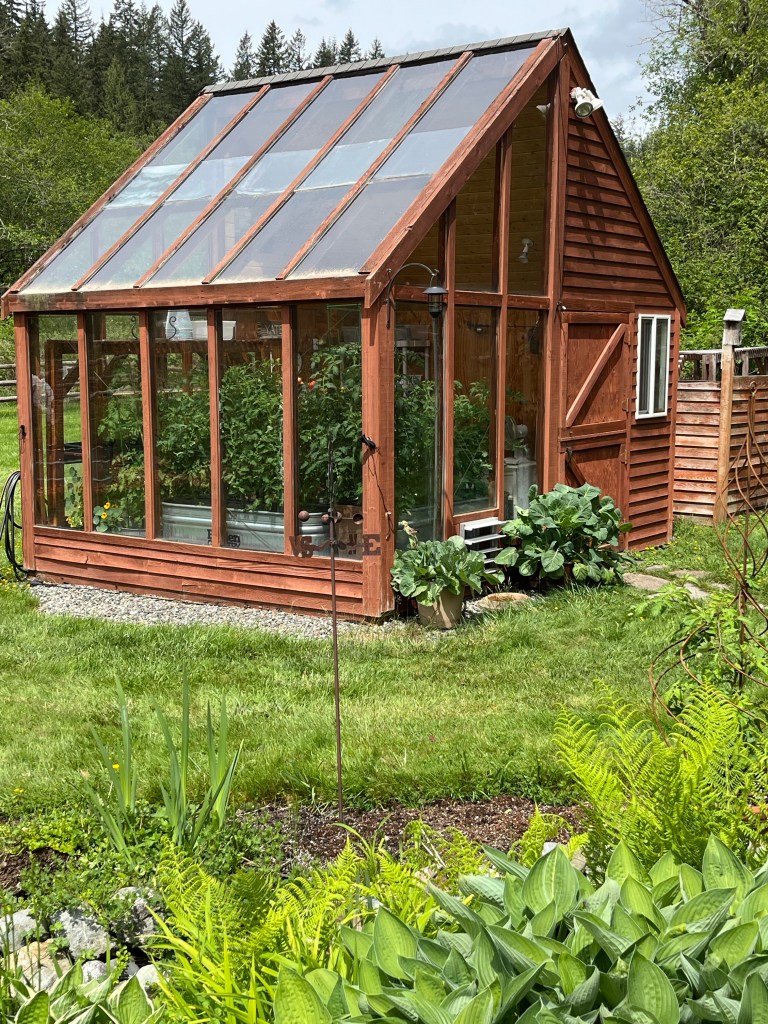
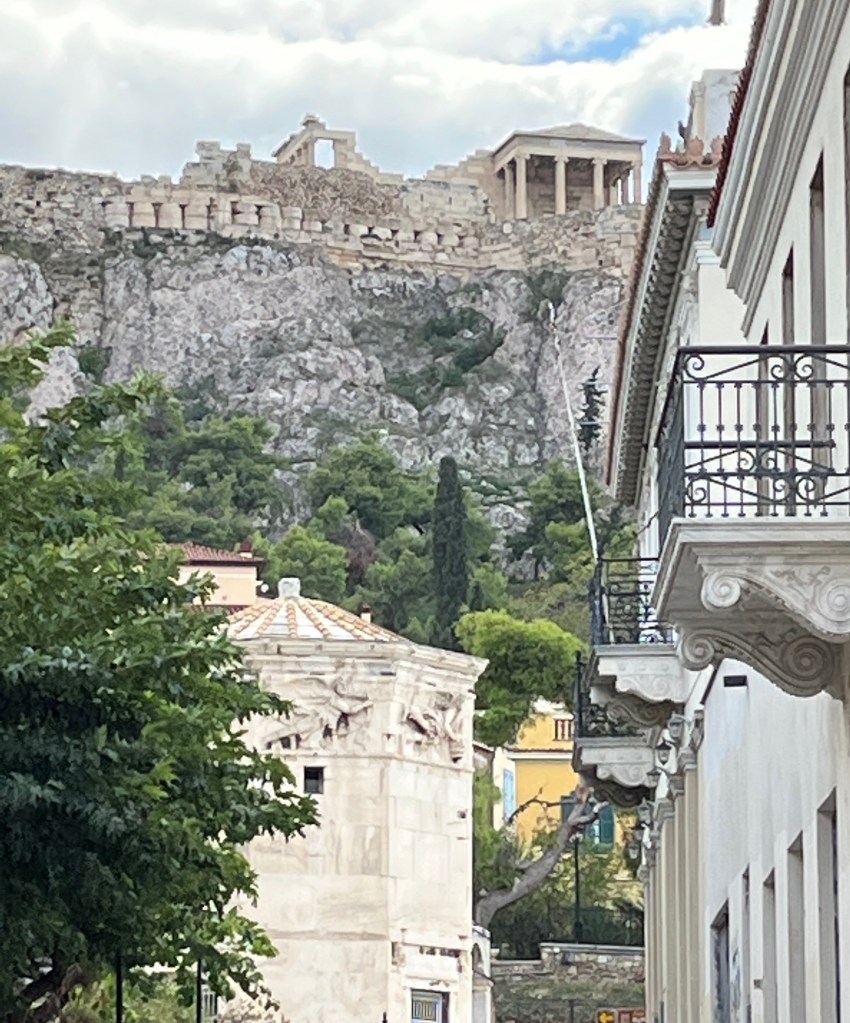

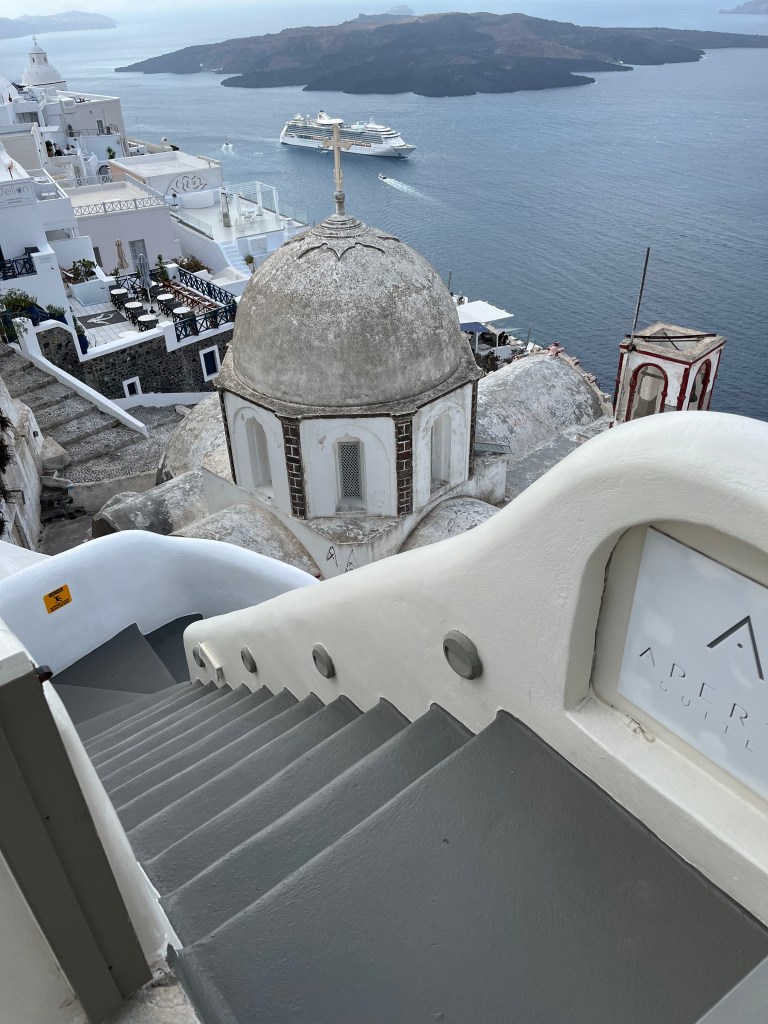

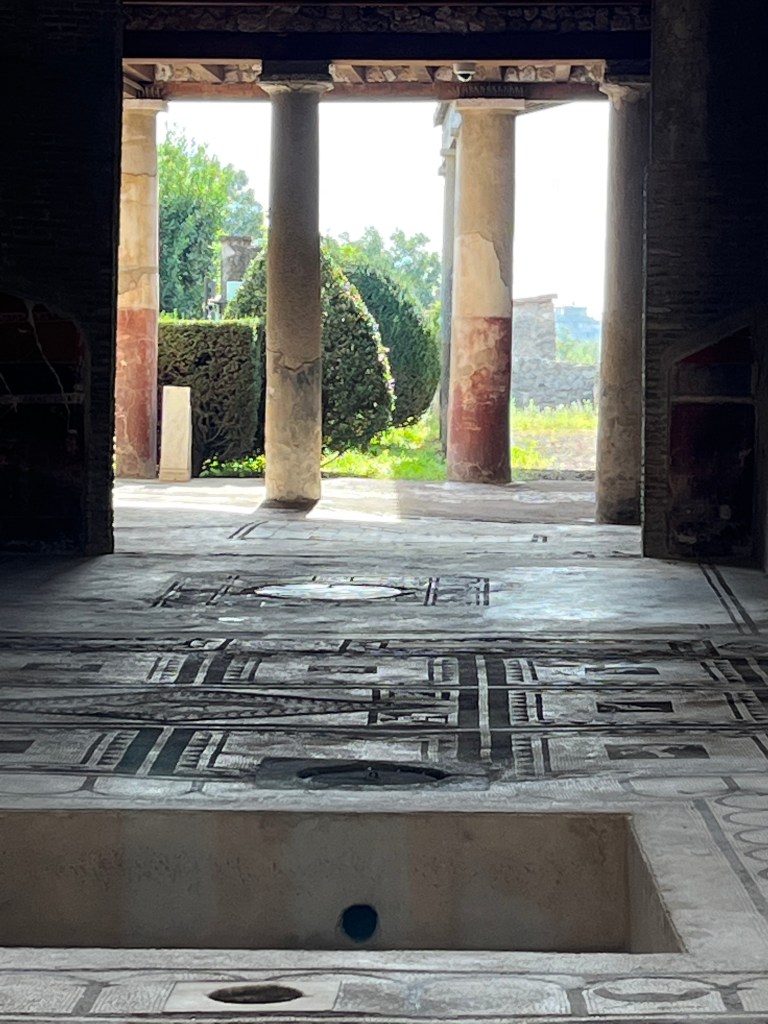

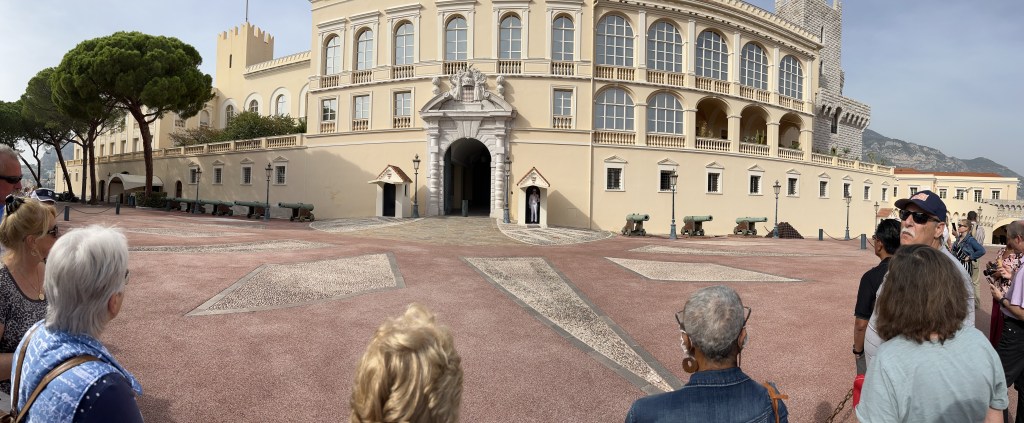

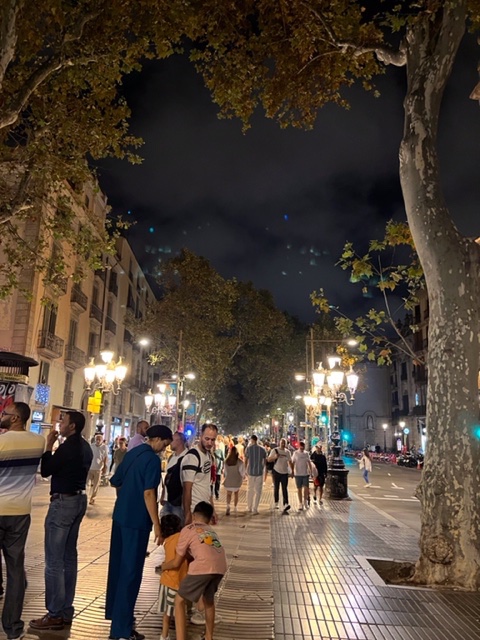
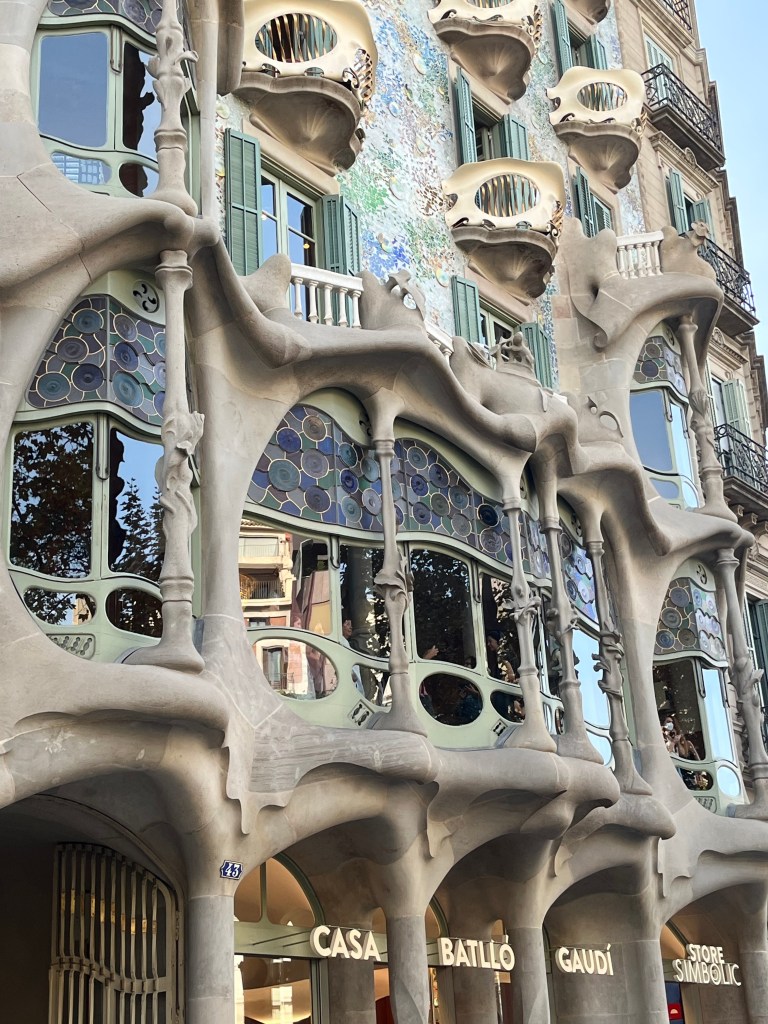
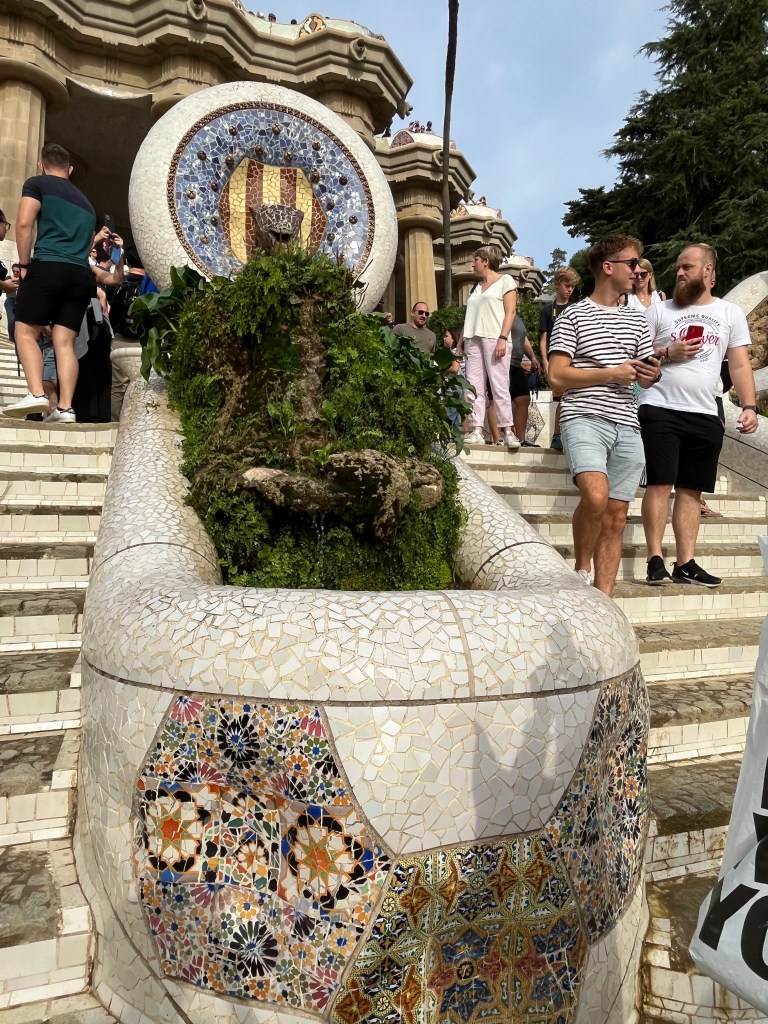
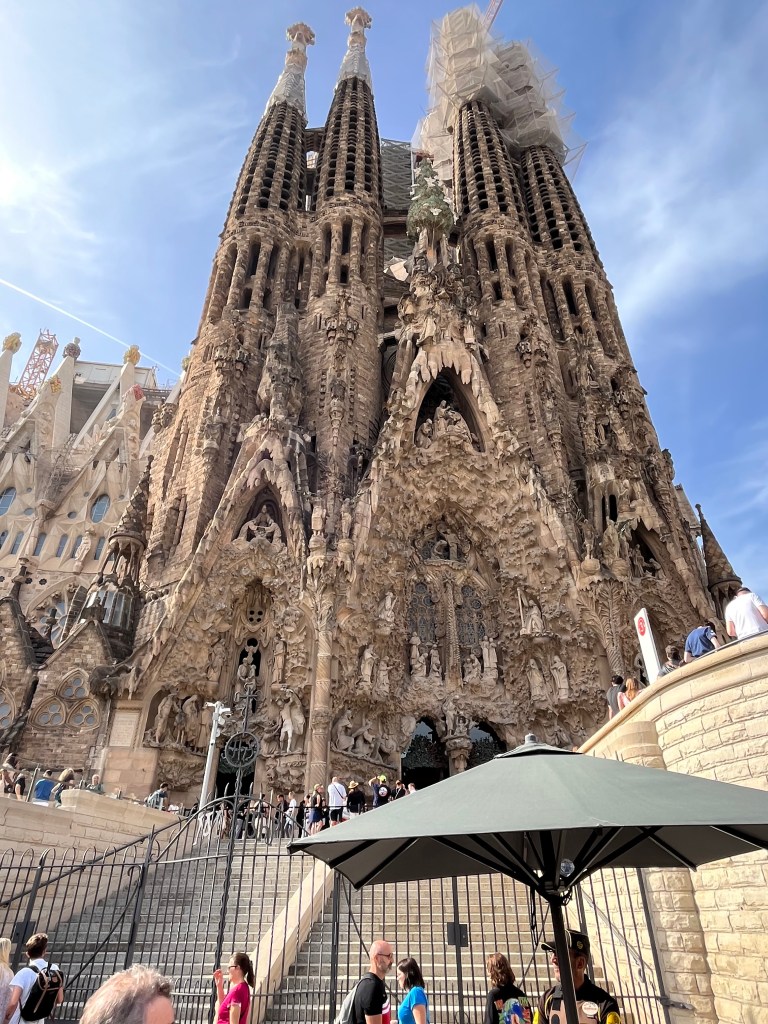
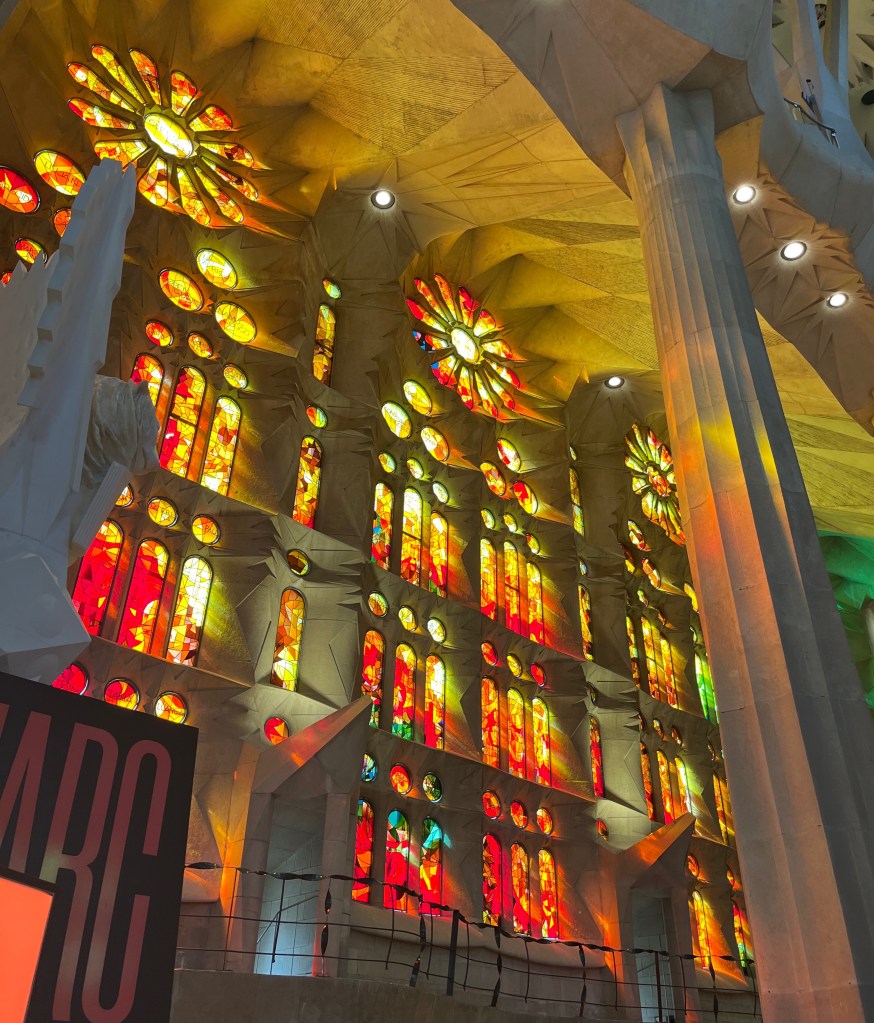
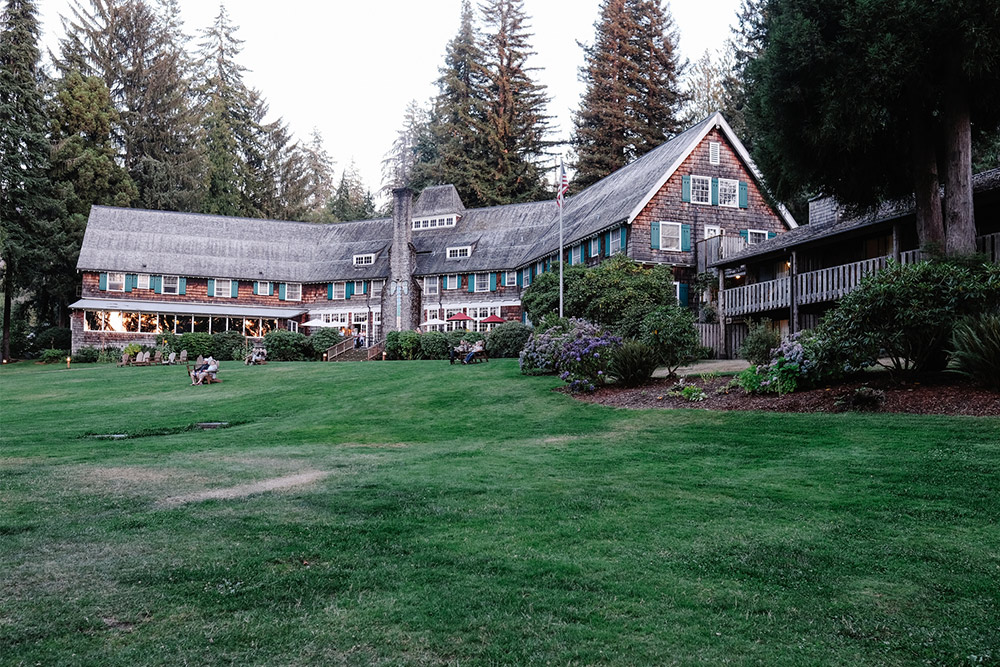

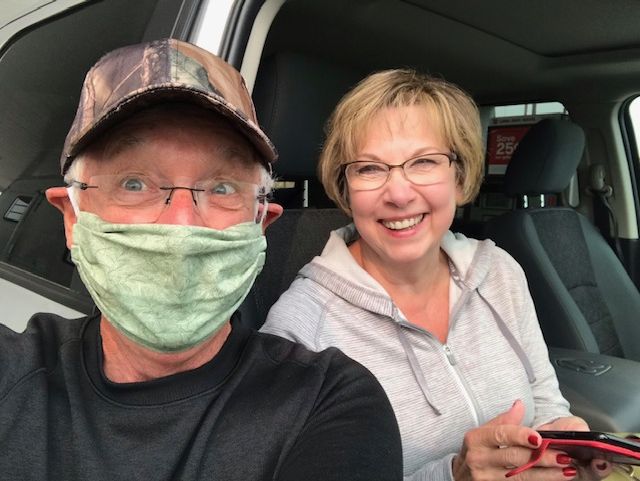


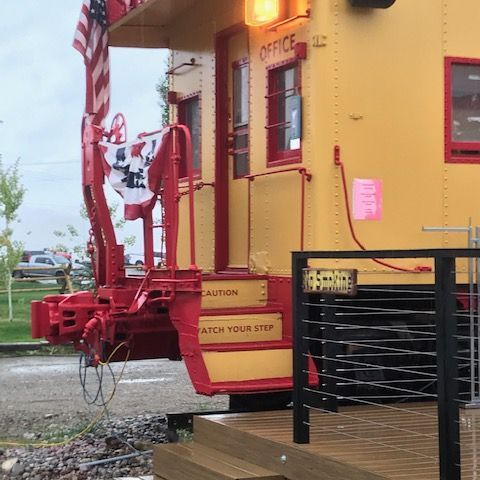
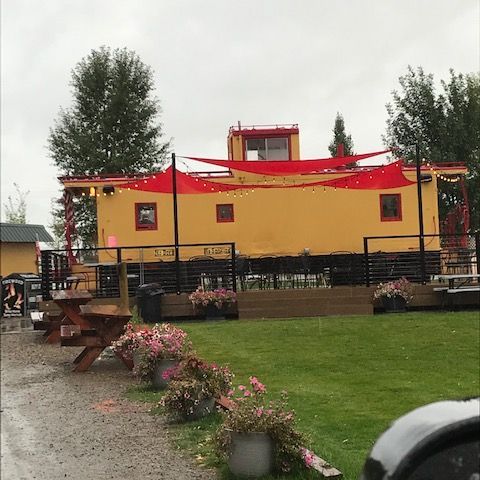
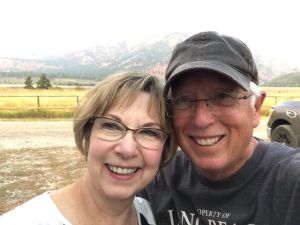
 Belonging